
How Do Music Producers and Songwriters Get Paid? (And How to Know If You're Owed Money)
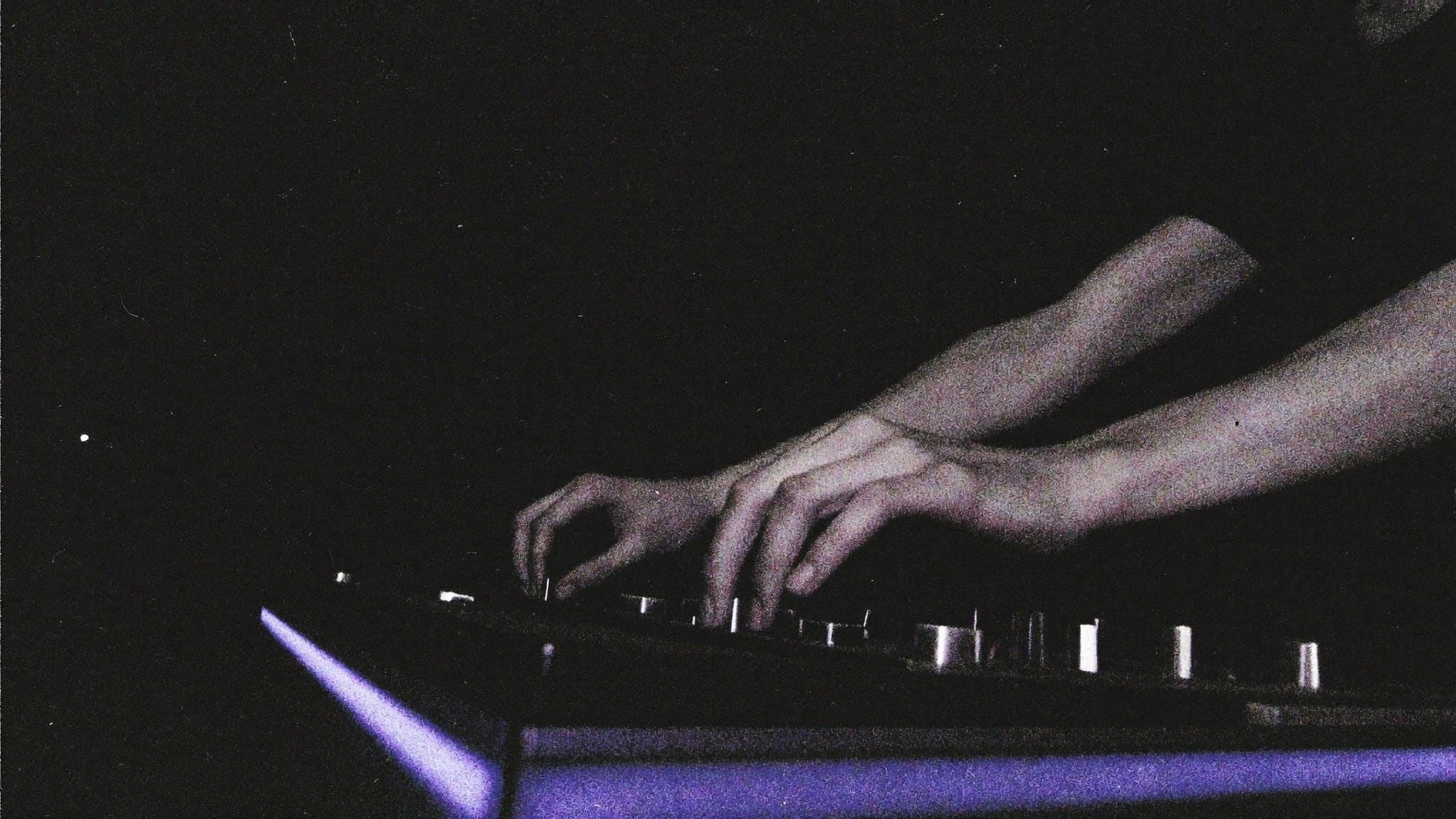
Producers and songwriters are paid through a mix of upfront fees, royalty splits on the recording, and publishing royalties on the composition. In practice, much of that money leaks: unregistered works, missing metadata and informal splits mean a meaningful slice of royalties worldwide sits unclaimed or gets misdirected every year.
This guide explains where the money is supposed to come from, where it actually goes missing, and how to find out whether some of it is yours. It is written from the other side of the glass: RAAYDR's founder spent years as a session vocalist, and the gap between work done and money received is not theoretical to us.
What are the two copyrights every song has?
Every released track carries two separate rights, and every payment flows from one of them. The master is the recording itself, typically owned by whoever funded it: label or artist. The composition is the underlying song, the melody and lyrics, owned by its songwriters and their publishers. A producer is usually paid from the master side. A songwriter is paid from the composition side. Many people are both and get paid badly on each.
How do producers get paid?
Three ways, usually in combination. An upfront fee for the work. Producer points: a percentage of the artist's recording royalties, commonly in the region of 2 to 5% of revenue, agreed per project. And increasingly a share of streaming income via a split on the master.
The catch is enforcement. Points agreed in a text message have a way of never appearing in the distributor's split sheet. If your percentage is not registered where the money is paid out, you are relying on someone remembering to pay you manually, forever.
How do songwriters get paid in the UK?
Composition money arrives through collection societies, and registration is everything. Performance royalties, generated when a song is streamed, broadcast or played live, are collected in the UK by PRS for Music. Mechanical royalties, generated when the song is reproduced, including on streaming services, flow through MCPS. Performers on a recording, including session musicians and vocalists, are separately owed neighbouring rights royalties when that recording is broadcast or played publicly, collected in the UK by PPL.
If you have written or performed on released music and are not registered with the relevant societies, money with your name on it may already exist. It simply has nowhere to go.
Where does the money go missing?
Four leaks account for most of it. Unregistered works: the song was never registered with a society, so its royalties accumulate as so-called black box money and are eventually redistributed to others. Bad metadata: your name is misspelled or missing in the credits data, so systems cannot match the money to you. Informal splits: percentages agreed verbally and never lodged with the distributor or publisher. And time limits: some royalties can only be claimed within a set window before they are gone for good.
None of this is exotic fraud. It is administrative decay, and it disproportionately hits independent creators without a publisher chasing on their behalf.
How do you check if you are owed money?
Work through four steps. Register with PRS for Music if you write, and PPL if you perform on recordings. Search each society's databases for your released works and check every credit and split is correct. Pull your catalogue's metadata from your distributor and verify your name appears on everything you touched. And get every split you have ever agreed into writing, lodged where the money is actually paid.
It is tedious, which is exactly why the money leaks. The industry's quiet assumption is that you will not do the admin.
What does RAAYDR do differently for producers and songwriters?
We treat producers and songwriters as first-class users, not a rounding error on the artist's statement. RAAYDR+ gives both roles their own dashboards, and splits are structural: an agreed percentage on a song is applied to the artist's earnings automatically, visible to everyone on the track. The earnings calculator at raaydr.com models it directly: take the artist's gross figure, apply your agreed cut, see your number.
And the platform's promise to these roles is the one the wider industry has never made: we tell you when you're owed something.
Keep reading
To get the paperwork right, use our split sheet template and read PRS vs PPL. For the per stream numbers, see how much Spotify pays per stream, and for how RAAYDR splits work, see the producers and songwriters page.
FAQ
- What is a fair producer split on a song?
- There is no fixed rule, but points in the region of 2 to 5% of recording revenue are common, alongside an upfront fee. What matters more than the number is registration: a split lodged with the distributor gets paid, a split in a DM does not.
- Do session musicians get royalties?
- From the master, usually not, unless negotiated. But performers on a released recording are owed neighbouring rights royalties when it is broadcast or publicly played, collected in the UK by PPL. Many session players never register and never see this money.
- What are black box royalties?
- Royalties collected but unmatched to their rightful owner, usually because of missing registrations or bad metadata. After a holding period they are typically redistributed to other rights holders, meaning unclaimed money ends up paid to people it does not belong to.
- Do songwriters earn from streaming?
- Yes, on the composition side, through performance and mechanical royalties. The per-stream amounts are small, typically a minority share of the roughly £0.003 total per stream, which is why registration and correct splits matter so much at volume.
- How do splits work on RAAYDR?
- An agreed percentage per song, applied automatically to the artist's earnings and visible to all parties. Producer and songwriter calculators on the site let you model it before you ever agree a number.
This article is general information about UK royalty structures, not legal advice. Registration requirements and society rules change: check PRS for Music and PPL directly for current terms.


